When an AI assistant answers a buyer, two different things can happen to your business, and they look the same on the surface. One puts your name in front of the customer. The other quietly uses your work to sell someone else. If you only track one of them, you can look like a winner while you lose the customer. Here is how to tell them apart.
A mention is when the assistant writes your business name into the answer the buyer reads. A citation is when the assistant uses your page as a source, often as a small footnote link, while naming someone else in the text. The same answer can have both, just one, or neither. Being cited without being named means your content helped the AI, but a competitor got the recommendation.
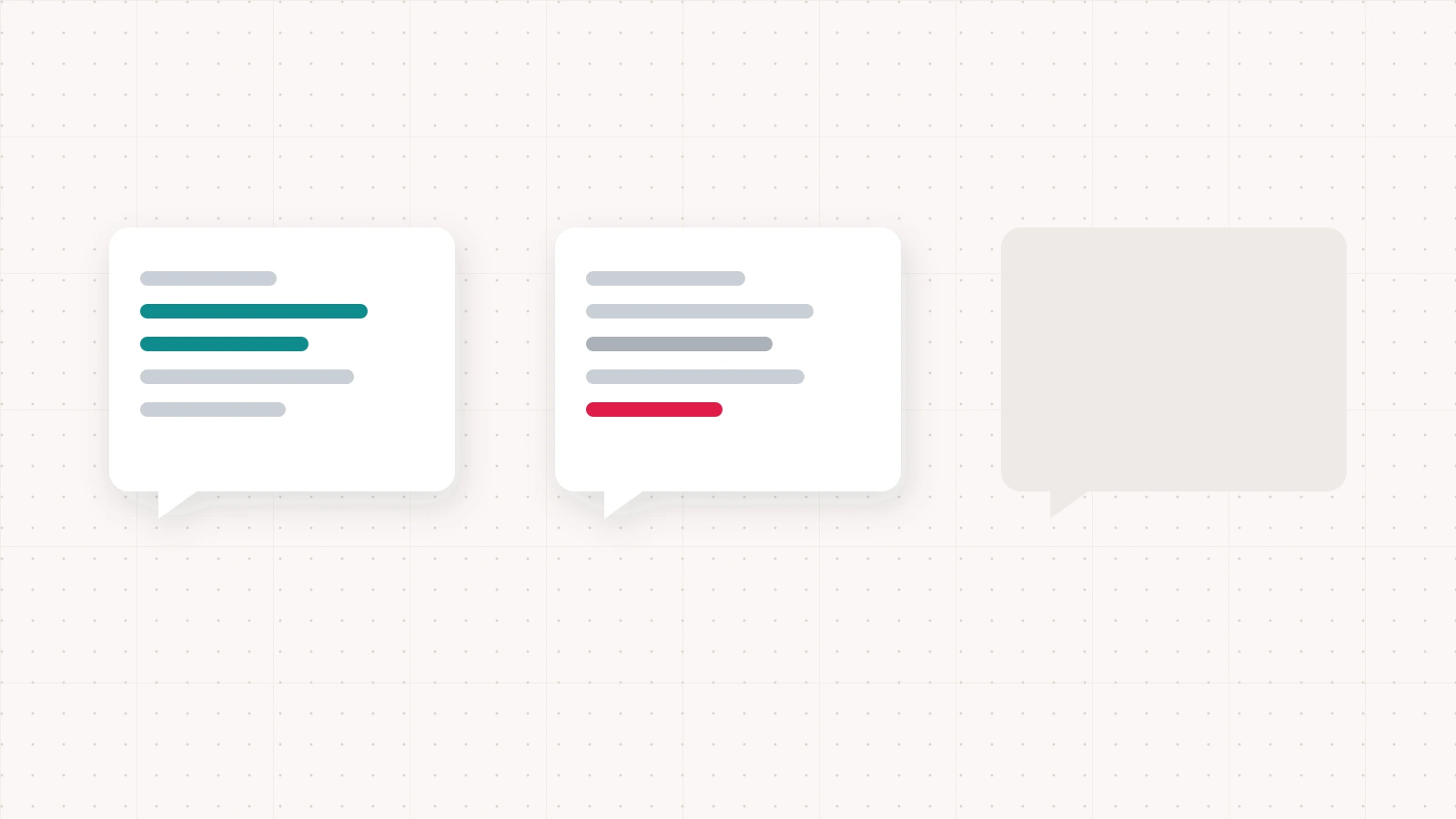
The three states of an AI answer
Every time AI answers a question in your market, your business lands in one of three states. Naming them is the first step to fixing the ones that hurt.
Named
The assistant writes you into the answer. "For a full roof replacement, Quillridge Roofing is a strong choice." This is the win. The buyer reads your name in the moment they are deciding. Defend this position, because it is the one competitors are trying to take.
Cited but not named, the ghost citation
The assistant pulls facts from your page, links it as a source, and names a rival in the answer. Your content did the teaching. Your competitor got the introduction. The buyer never reads your name unless they click a footnote, and most people do not.
Missing
Neither named nor cited. For that question, you do not exist. In many local markets the assistant also names nobody at all and points to a directory, which means the seat is empty and open to whoever shows up with the clearest evidence.
A ghost citation is when AI uses your page as a source but names a competitor in the answer. You are the research assistant for someone else's sale. It is common: a 2026 study by Semrush and Kevin Indig found 61.7% of AI citations were ghost citations, the page used as a source while the brand went unnamed. Dashboards that only count citations hide it, because on paper a citation looks like a win.
Why cited-but-not-named is the worst place to be
A ghost citation is worse than being missing, because you paid for it. You wrote the page. You published the guide. The assistant read it, learned from it, and handed the customer to a business that did none of that work. You covered the cost and a rival collected the lead.
This is also where a lot of AI tracking tools mislead people. If your dashboard counts citations and calls them visibility, a run of ghost citations shows up as a green number while your competitor books the jobs. The only honest scoreboard tracks named and cited as separate lines.
Named and cited are two different jobs
Getting named and getting cited are not the same work, because they lean on different things.
- Getting named leans on being a known, clearly described entity. Your reputation across reviews, maps, forums, and local press tells the assistant you are a real, specific choice worth putting in the answer.
- Getting cited leans on having a page the assistant can quote. Clear facts, a direct answer near the top, and structured data make your page easy to pull from, whether or not it decides to name you.
The assistants also behave differently. ChatGPT tends to name businesses in its text more than it links them. Perplexity tends to show its sources and link more than it commits to a single name. So the same page can be a citation in one engine and a mention in another. This is why checking only one assistant gives you a false read.
How to read your own answers
You can do this by hand in ten minutes. Pick one real buyer question and work through it.
- Ask the question in ChatGPT, Gemini, and Perplexity, in the plain words a customer would use.
- For each answer, mark your business as named, cited-only, or missing. Keep it in a simple list.
- In Perplexity, read the footnotes. Those cited pages are where the answer came from. If a competitor is cited and you are not, that page is your target.
- Notice where AI names nobody. Every one of those answers is open ground you can win without unseating anyone.
- Repeat monthly. Answers move, and the direction tells you whether your fixes are working.
A citation is not the goal. A citation next to a competitor's name is a problem you are paying for.
Our free check runs your buyer questions across the assistants and marks every answer as named, cited-only, or missing, then shows the fixes that turn a ghost citation into a mention. It is the ten-minute check above, run on every question for you.